
Judge questions whether ‘Anti-Weaponization Fund’ is really dead
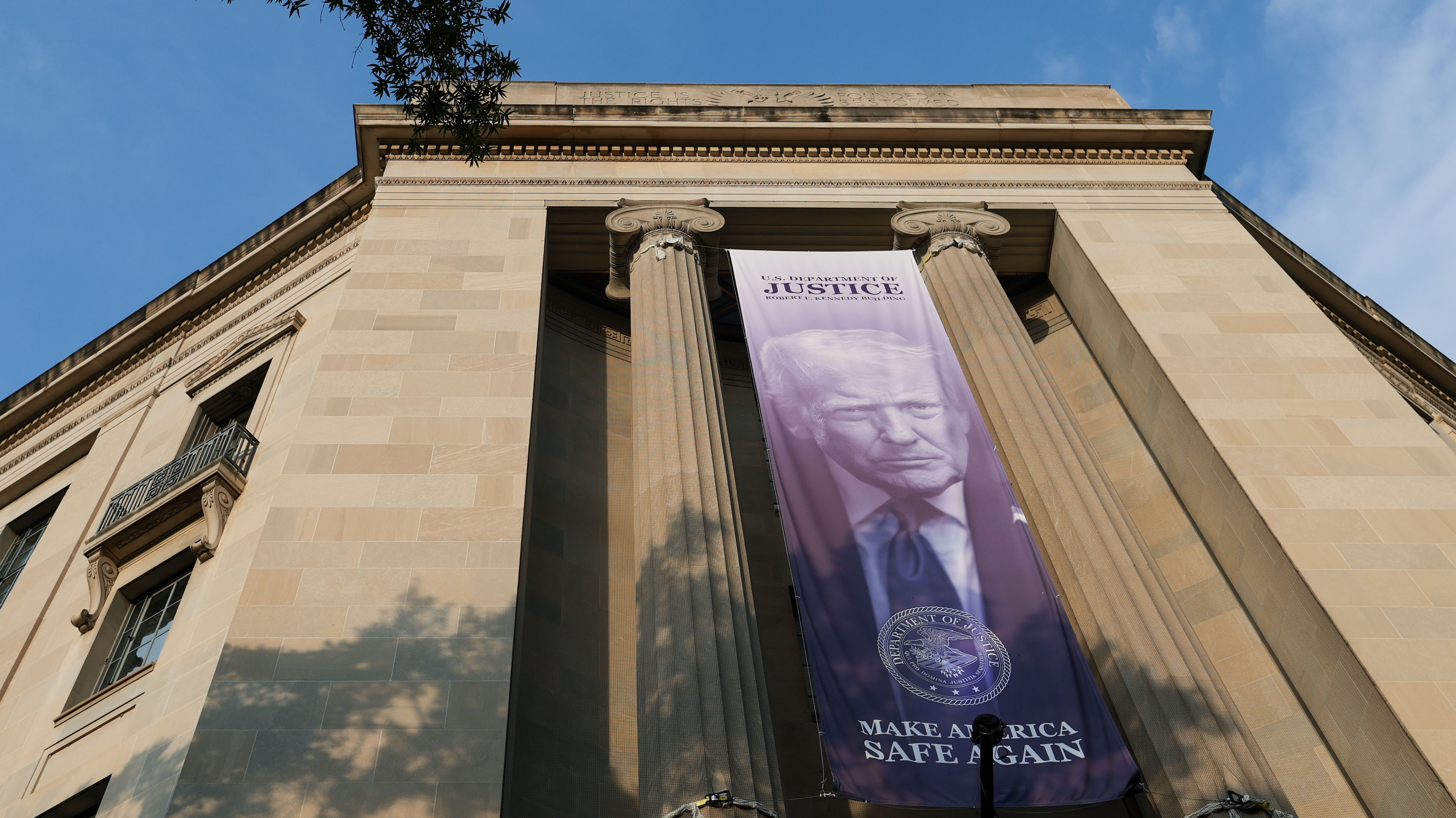
(WASHINGTON) -- A federal judge overseeing a lawsuit against the Justice Department said at a hearing Friday that she remains skeptical that the Trump administration won't move forward with improperly compensating allies of President Donald Trump who were prosecuted under the Biden administration, despite the DOJ's repeated statements that the $1.8 billion "Anti-Weaponization Fund" is dead.
U.S. District Judge Leonie Brinkema, who is overseeing a lawsuit filed in May that sought to permanently block the fund, pointed to recent statements from top administration officials that she said suggests payments are still on the table for people like anti-abortion protesters convicted under the FACE Act and rioters who attacked the Capitol on Jan. 6, 2021.
"Unfortunately there's been too much talk from members of the administration," Brinkema said in a hearing Friday in federal court in Virginia. "The issues that underlie this case are still alive and kicking in my view."
Brinkema's statements throughout the hearing leave the door open for her to reject an effort by the Justice Department to dismiss the lawsuit brought by a range of plaintiffs who claim they could face potential harm if settlement payments are doled out to Trump's allies.
At one point, Brinkema suggested that a potential remedy would be the appointment of an independent monitor to oversee payments out of the DOJ's Judgement Fund, which is typically the method used across administrations to dole out legal settlements with limited requirements for transparency.
Brinkema, in raising that hypothetical, said that the current Justice Department operates under a "somewhat coerced" state, with President Trump and the White House effectively eliminating the independence of the Justice Department that was established in the aftermath of the Watergate scandal.
Such a monitor could bring "independent oversight and offer proper unbiased evaluation" to claims by Trump's allies that they were actually victims of government "weaponization," Brinkema said -- though she noted such an appointment would only likely come after the lawsuit was fully resolved.
A DOJ attorney in court for Friday's proceedings repeatedly urged Brinkema to dismiss the lawsuit, citing Attorney General Todd Blanche's statements under oath that the Anti-Weaponization Fund was no longer moving forward.
During the proceedings, Brinkema repeatedly pointed to the recent ruling by the federal judge in Florida who oversaw Trump's lawsuit against the IRS that was the genesis of the settlement that resulted in the brief establishment of the Anti-Weaponization Fund and an agreement that effectively immunized President Trump and members of his family from audits of their past tax returns. Judge Kathleen Williams, who oversaw the IRS lawsuit, accused the DOJ of engaging in collusive behavior with Trump's personal lawyers and abusing her court to give the settlement legitimacy.
Brinkema said Williams' ruling was "very problematic" for the government and gave credence to the views that Blanche's statements under oath that the fund was "dead" couldn't necessarily be taken at face value.
"I keep on saying this over and over again, but I'm happy to say it one more time," Blanche said at a press conference last month in response to a question from ABC News. "I have testified under oath that it's dead. I have testified in front of the House where I wasn't under oath where I said it was dead. I have answered questions after my hearing where I said that it was dead, I have rescinded the order that that set up the weaponization fund, which means that it does not exist."
"The real concern that I think lurks is this concept of taxpayer money being used to promote political viewpoints," Brinkema said during Friday's hearing. "I think the 'Anti-Weaponization Fund' -- that entity, is gone. But is there a functional equivalent of that going on?"
Copyright © 2026, ABC Audio. All rights reserved.



Catch local and national news 24/7 from Fox News and NH1