
Some Haitian immigrants in Ohio told to report to ICE and given ankle monitors
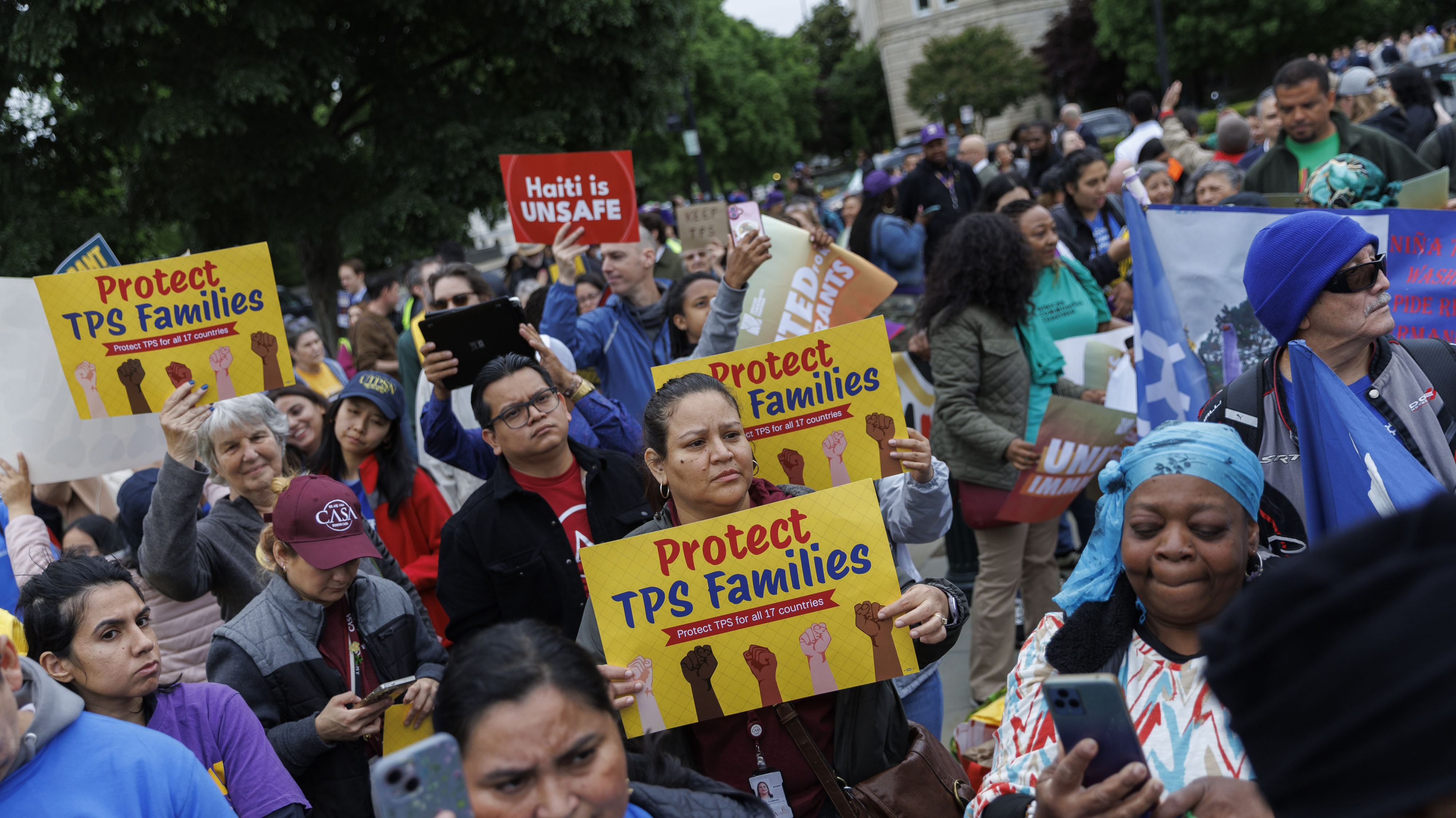
(NEW YORK) -- Hundreds of Haitian immigrants in Ohio who had Temporary Protected Status have been summoned by the Department of Homeland Security for in-person "check-ins" with the agency, where some have been fitted with ankle monitors, immigration advocates tell ABC News.
The move from the government comes after the U.S. Supreme Court ruled in June that the Trump administration could end TPS for about 350,000 Haitians, as part of the administration's ongoing immigration crackdown.
Steve Foster, the immigration policy coordinator for the Institute for Justice and Democracy in Haiti, said "Haitians with TPS, regardless of whether they have a pending asylum claim, have gotten a 'DHS Call-In Letter' to appear at ICE offices in person."
Some have been given ankle monitors and future court dates, Foster said.
Viles Dorsainvil, executive director of a Haitian support group in Springfield, Ohio, confirmed the government's effort to call Haitians in Ohio with TPS into ICE offices and fit some of them with ankle monitors.
"We are just helping these folks to go to this appointment, and when they get there, they interview them and eventually put [an] ankle monitor on them," Dorsainvil said.
TPS status, established by the 1952 Immigration and Nationality Act, provides work authorization and protection from deportation if a foreign country is deemed by the government to be unsafe because of armed conflict, natural disaster, or "extraordinary and temporary conditions."
In a statement, a spokesperson for the Department of Homeland Security said, "Temporary Protected Status is exactly that -- temporary. For too long, TPS has been allowed to function as a de facto amnesty program despite Congress never intending it to be permanent."
"What we would say now is it's closing time, which means you don't have to go home, but you can't stay here," the statement said.
Dorsainvil said that some TPS holders have lost their work permits, while others who have pending asylum cases still have valid work authorization.
"There is so much anxiety, and they are fearful, and they are uncertain when it comes to what they should do next," he said.
Copyright © 2026, ABC Audio. All rights reserved.



Catch local and national news 24/7 from Fox News and NH1